In 2002, Brian Banks was one of the most promising high school football players in California. A standout linebacker with exceptional athletic ability, he had already attracted attention from major college programs and seemed destined for a successful career in football. But everything changed almost overnight when a 15-year-old classmate accused him of sexual assault — an allegation that would derail his life and future.
Facing the possibility of decades in prison if the case went to trial and resulted in a conviction, Banks was advised by his attorney to accept a plea deal. Under immense pressure and fearing the risk of a far harsher sentence, he agreed. The decision cost him dearly. Banks was sentenced to several years in prison and, after his release, was required to serve strict probation and register as a sex offender. His dreams of playing college and professional football vanished, replaced by the stigma and limitations that followed him for years.
For nearly a decade, Banks lived under the weight of a conviction he maintained was unjust. Then an unexpected development changed everything. The woman who had accused him eventually admitted that the assault had never occurred. With the assistance of the California Innocence Project, Banks’ legal team reopened the case and began the long process of clearing his name.
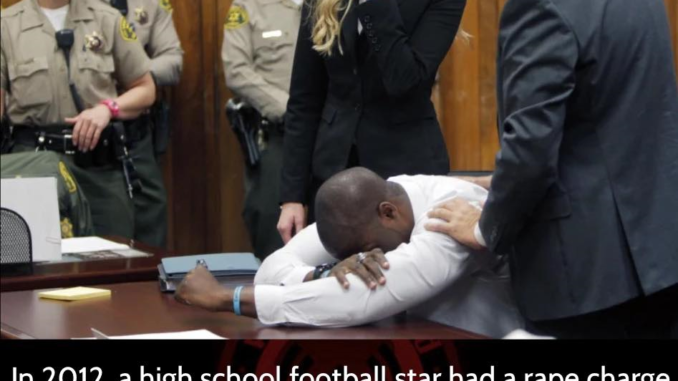
In 2012, after years of legal struggle, a judge officially dismissed the charges against him. The moment marked a powerful and emotional turning point, as Banks broke down in court while his conviction was overturned. What had once seemed impossible finally happened: his record was cleared.
Determined to rebuild his life, Banks returned to the sport he loved. In 2013, he earned a tryout with the Atlanta Falcons, symbolizing an extraordinary comeback after years of wrongful imprisonment.
His powerful story later inspired the 2019 film Brian Banks, shedding light on the devastating consequences of false accusations and the resilience required to reclaim a life once taken away.
Leave a Reply